


Deepening Our Relationships After 70

Navigating Friendships and Family Bonds

When I was young, I thought that by the time I was an older adult, I would have solved all my problems. It was a surprise to find out I often feel like a hot mess and always feel like I am a work in progress.
I realized only recently the degree to which our relationships continue to evolve over time. While research shows that social connections are significant contributors to our overall well-being, I mistakenly thought that by the time I turned 70, my relationships with family and friends would be quite set and unlikely to change. I didn’t expect any major shifts, but I was wrong!
A few weeks ago, my relationship with two of my grandchildren shifted dramatically over the course of a single dinner. My grandkids were home from college for a few days and asked if they could come over to visit. Wow! It was surprising for them to take the initiative like that. Our get-together was also different because their parents were not there. The grandchildren arrived on time, and even a bit early.
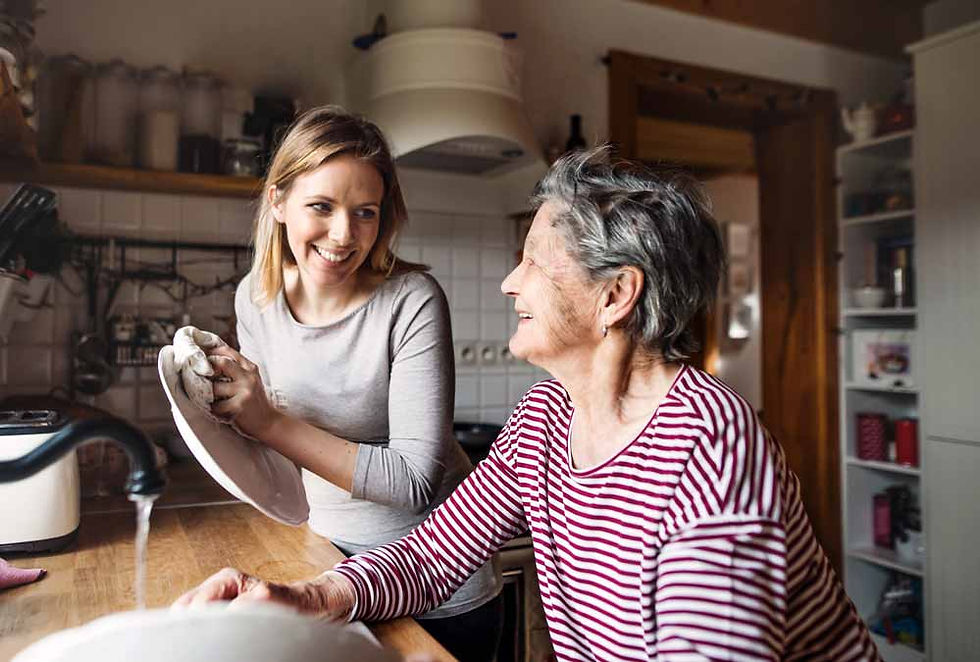
Our conversation that night was lively. They asked me questions about my life, which was nice. Then, they talked about their friends and what they were doing in college. We went on to discuss their hopes and concerns for the future. By the end of the meal, I felt I knew both of them better than ever before. I saw them in a new light too, recognizing them as young adults now, moving along on their own chosen paths, distinct and separate from their parents’ ways.
As the grandkids were leaving, I told them that they were “coming along nicely.” We all laughed because it’s a family joke, but I meant it sincerely. That night reminded me that young people can change between visits, so I need to expect the unexpected. Spending time with my grandchildren one-on-one, or in this case one-on-two, created the conditions for our relationship to grow and evolve.
As we age, many of us spend most of our time day-in and day-out with our friends. We may not have any children or grandchildren, or family living nearby. In any case, we all need social connections.

I observe there are three kinds of friends that we need in our lives. The first type is companions, friends who we do things with, like play cards or go to a movie. The second type is helpers, those who can assist us, like watering our plants while we’re away or picking us up when our car breaks down. Finally, we have confidants, close friends with whom we can share our deepest thoughts, worries, and hopes. It’s worth noting that some friends fulfill one or two of these roles, and we’re truly lucky when we have those kinds of friends.
However, over time, our friend group will shrink as friends move away to be closer to their kids, relocate to a warmer climate, or have passed away. This means that most of us will benefit from continuing to make new friends along the way.
We seek friends who truly see and appreciate us. People who listen attentively, ask questions, and rarely give unsolicited advice. Individuals who continue to like us despite our quirks and imperfections. Finally, we want friends who understand that as we age, we forget things and mess up more often. They cut us some slack.

Making a new friend can be challenging. For instance, one day, a woman I didn’t know very well said to me in passing, “Let’s get together for lunch.” However, nothing came of it. A few weeks later, we ran into each other again, and I suggested, “Let’s get together.” This back-and-forth continued for several weeks until I finally called her, and we went to lunch. Now, we have set plans for more meetings, and our friendship is blossoming.
Many of us find it hard to be the one who initiates a get-together. As a social psychologist, I recognize that, on some level, we all fear rejection. Years ago, I made a conscious decision to stop keeping track of whose turn it was to do the inviting. Instead, I chose to continue reaching out to people I enjoyed.
Many older men lack experience in organizing social gatherings and tend to have few close friends. On a positive note, I have noticed a growing awareness of men’s need for more connection. At my retirement community, several men’s dinner groups have sprung up recently. Additionally, I have just heard about a men’s book group starting at a local church. This is nice to see.

I’ve found that many people are unaware of the significance of self-disclosure in friendships. Self-disclosure involves a gradual exchange of personal information that fosters trust and allows for a deeper connection. We only share our vulnerabilities when we feel safe and accepted. Without this sharing, relationships don’t grow. However, TMI (too much information), particularly in the first stages of a relationship, can be off-putting.
We all face challenges in our relationships and many of us tend to avoid addressing issues when they arise. Of course, it makes sense that we want to avoid hurting others or risking a losing someone. Unfortunately, neglecting problems can lead to deterioration in the bond anyway.
It’s possible to maintain closeness with others even when our views and opinions are wildly different. What matters is open acknowledgment that we disagree and a respectful understanding that we don’t have to agree with our friends and family on everything. Disagreement doesn’t mean that we have to sever the relationship. This understanding has made my life much easier. Family estrangement is another matter that deserves further discussion. I am considering writing about this at a future date.

I’ll close with a list of some of the guidelines I turn to when I find myself having a problem in one of my relationships.
Lessons for Life's Relationships
Cut everyone some slack.
Don’t keep score.
Continue reaching out to others.
Apologize when you mess up.
We can disagree and still be close.
We are all doing the best we can.
Relationships are what matter most.
“…Live like a river flows, carried by the surprise of its own unfolding.”
~ John O’Donohue, Irish poet


Comments