


The Paradox of Aging

We Are Happy Despite Our Losses

Both young and middle-aged people, almost everyone, dreads becoming old. Yet research has found that when we are older, most of us are happy — even happier than when we were younger. Yet, this doesn’t add up. We all know in our bones that neither dread of growing old nor happiness can be the whole story.
My early experiences with old people were unpleasant and a bit scary. One of my grandfathers was bedridden. His room smelled of urine and tobacco. Due to his hearing loss, he didn’t understand a word I said. My grandmother worked really hard from dawn to dusk to care for him. Years later, this grandmother ended up in a wheelchair herself with advanced dementia, and she no longer recognized me. Even though my other grandmother seemed to have fun and enjoy her garden and her dog, my impression of aging was negative.

Fast forward to my own aging. When I was seventy-six, my husband’s kidney disease was getting more serious, and we went to live in a retirement community. It took a while for me to honestly say, “I am happy.” Yet, for these last dozen years, I have been happy, despite the loss of my husband, many friends, and my recent partner. I can walk unassisted, I have friends and family to keep me company, and I have a column on Aging Well to write.
As a social psychologist, I’ve read many research studies on aging, like those of Laura Carstensen, a psychology professor at Stanford, who found that, on average, people in their eighties are happier than people in their seventies, people in their seventies are happier than those in their sixties, and people in their sixties are — you guessed it — happier than those in their fifties. This U-Curve of Happiness chart illustrates the same point and the paradox of aging in another way.

BUT, and it’s a big but, it is also true that almost all of us still fear aging throughout our younger years. Even if we are aware of the research on happiness, many cling to negative beliefs about getting older. People at my retirement community often remark, “Aging is not for sissies.” And admittedly, I’ve never heard anyone say, “Getting old is so wonderful.” Yet, on the other hand, many older people have shared with me that they have never been so happy as they are now.
For this article, I conducted interviews with eight people over 85 who are financially secure and living in a retirement community. Even though my interviews are clearly not a scientific study, I found their comments shed light on the dread/happy conundrum.
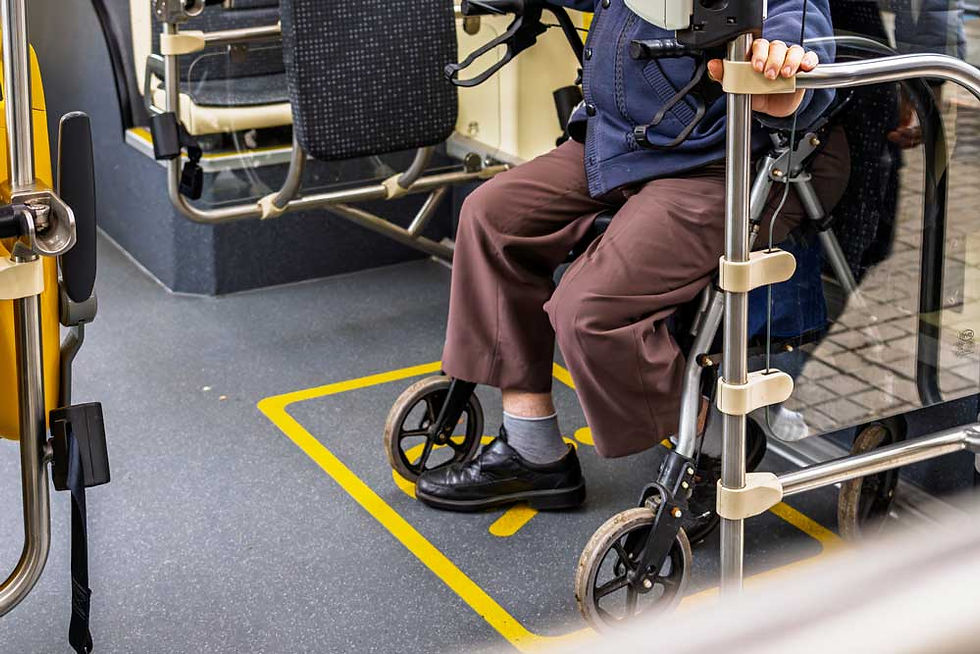
What’s hard about aging?
“There are so many things I want to do, but I can’t.”
“I have cranky joints.”
“I worry because I should be clearing out stuff, but I can’t get myself going.”
“I don’t like needing help.”
“I worry that I am losing my memory.”
“I can’t move fast-I am slowing down.”
My comment
It seems that for most people, the challenges they are facing right now are what are on their minds. Even small losses feel big. Interestingly, those I interviewed didn’t bring up their major losses of the past, such as the death of a spouse. None of them complained about pain or being housebound either. Modern medicine has radically changed what it means to be old. Most of us take for granted that we live, on average, 14 additional years compared to our grandparents’ generation.

What do you do when you are down or unhappy?
“I find it helps to meditate.”
“I go for a walk in nature and look at trees, lichen, caterpillars, etc.”
“I pray.”
“I get myself to do something I like to do; for example, I cook something.”
“I go and visit someone worse off than I am.”
My comment
All of these interviewees have found ways of moving beyond a bad mood. Most elders do not experience being old as a permanently unhappy state, contrary to our initial assumptions. While we have some bad days and some rough patches, we find that old age is largely similar to middle age, but less stressful and, in many cases, happier.

What do you enjoy most nowadays?
“My freedom to come and go.”
“Meals with friends and talking with them.”
“Being with grandchildren.”
“I appreciate the little things like watching birds and just sitting.”
“I have more time to read and love reading novels in the morning.”
“I love having few responsibilities and obligations.”
“Making my own decisions and being still able to drive.”
“I feel grateful to be alive.”
My comments
As we reach the age of 85 and beyond, our world becomes smaller and quieter, but we find joy in the simple pleasures of each day. In our old age, we are less focused on achieving wealth or fame. Less adventuresome as our lives are, we enjoy them even more.

The comment “I feel grateful to be alive” highlights what may be the most important reason why we older people are usually happy despite our losses. As our projected timeline shortens, we come to terms with the reality that our lives are finite. This changes everything. We begin to appreciate the miracle of human life and the gift of being alive. We realize that growing old is a privilege, allowing us to let go of the small stuff and focus on the more meaningful aspects of life, like purpose.
Most people in their 40s, 50s, and 60s still assume they will be less happy when they are older than they are now. From my own experience, my observations, and my interviews of hundreds of older people, I tell you, “You will probably be happier than you are right now.” And I also predict that when it actually happens, you will still be surprised.


I would be interested in hearing the perspectives of people over 85 who are not financially secure enough to be able to afford a good retirement community. Like most of us.
Dear Katharine, I always love your insightful blogs and hope you're planning to collect the newer ones into another book to share with the wider world. -Bozena Smith